

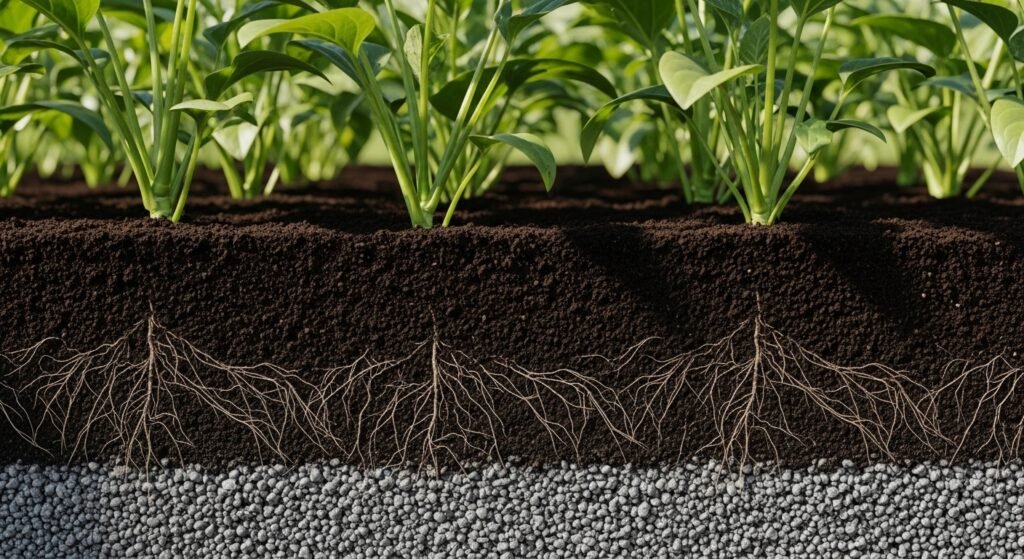
Hey girl, remember when I tried planting tomatoes in my first raised garden bed and everything turned to mush after that one heavy rain? Total disaster – the roots drowned because I totally ignored raised garden beds drainage. It’s such a rookie mistake, but now I’ve got it down and my veggies are thriving.
I put this list together because I’ve wasted way too much time googling fixes after soggy soil disasters. Last summer, I rebuilt my beds from scratch and tested all sorts of drainage hacks – some worked like magic, others… not so much. Sharing the winners so you don’t have to learn the hard way.
Stick with me for 10 best raised garden beds drainage solutions that actually work – super easy to copy, with real pics and my honest stories. You’ll walk away ready to level up your garden game.
10 Raised Garden Beds Drainage Fixes You’ll Wish You Knew Sooner
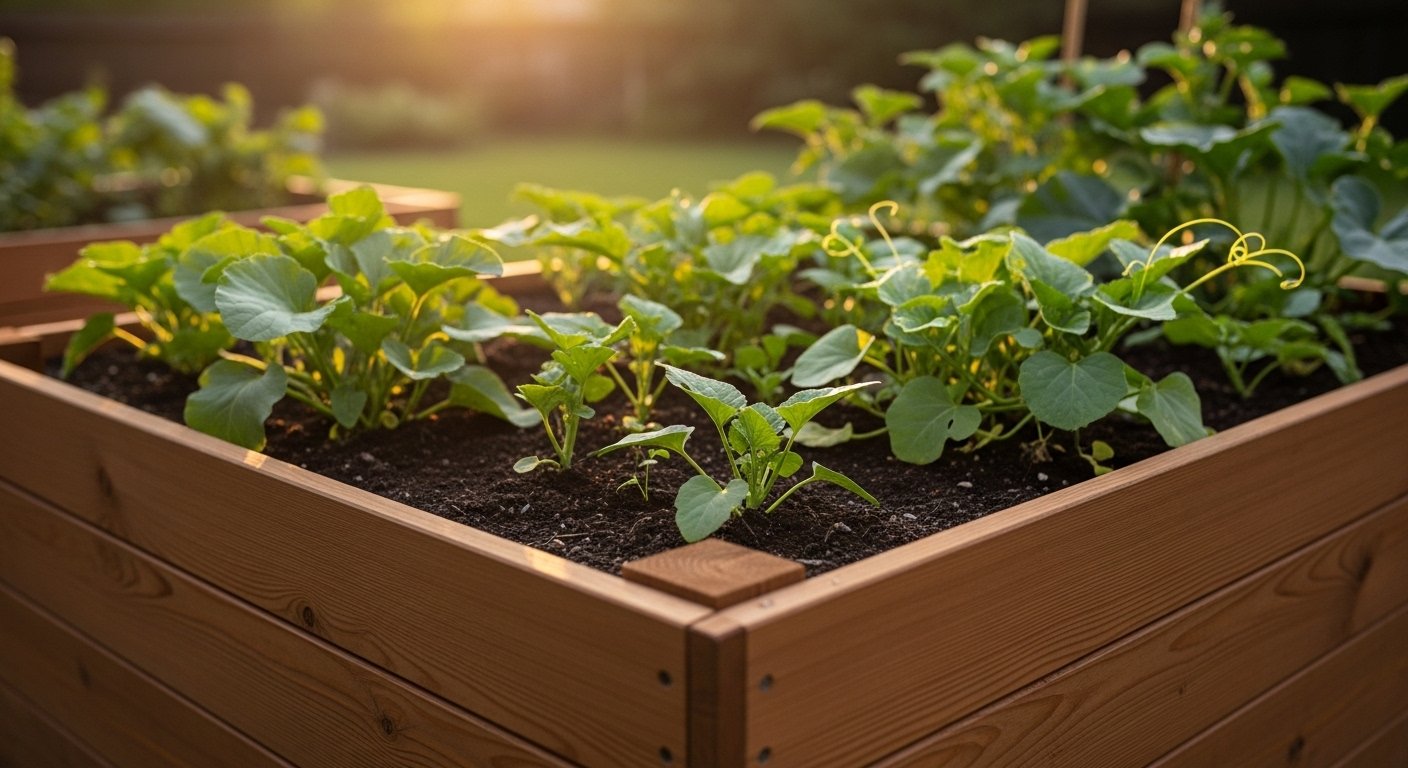
Simple Grass Bed Base
This one’s just a raised bed plopped right on grass – seems too basic, right? But the natural ground soakage handles light rain perfectly without any fancy add-ons. I did this in my backyard for herbs and haven’t had pooling issues once; it’s lazy genius for beginners.
Black Tray Layers
Those black plastic trays stacked under the soil? Game-changer for air flow and drainage – water trickles right through. I grabbed some cheap ones from the dollar store and layered them in my strawberry bed; no more rot, and the berries exploded this year. You’ll love how they create mini reservoirs too.
Pipe Drain Insert
White PVC pipe poked into a tarp base – directs water out like a charm. Super low-cost, and I swear by it after my neighbor’s bed flooded last spring. Poke holes in the pipe, lay it along the bottom, done. Tried it myself – zero standing water even after a storm.
Wooden Bed Soil Prep
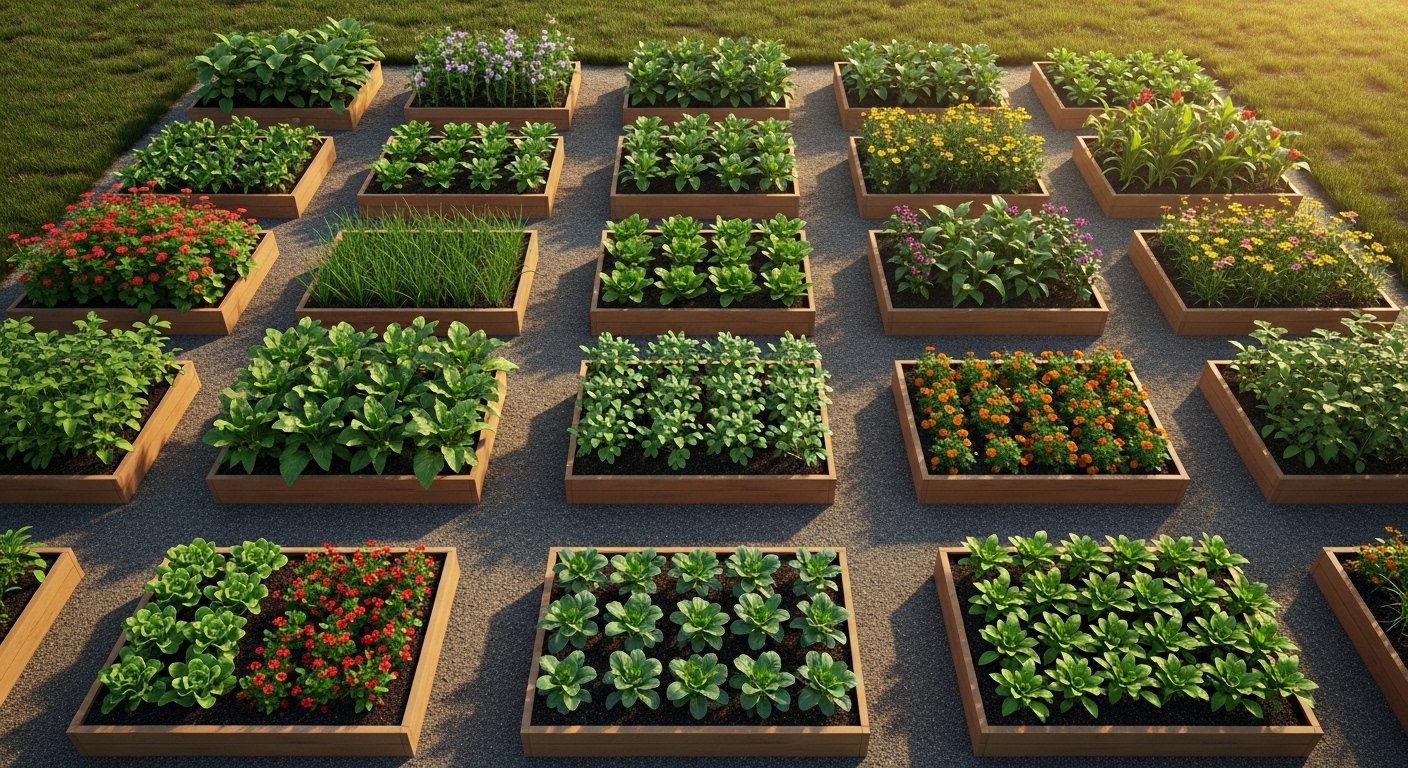
Multiple wooden frames packed with loose dirt and hidden gravel – drainage flows free. These let excess moisture escape fast, keeping roots happy. I built three like this (okay, my hubby helped) and my carrots grew straight for once – total win.
Fence-Line Rock Base
Kneel down and check that fence setup with rocks underneath – prevents mud buildup beautifully. It’s all about that elevated rock layer for quick drain-off. My side yard got this treatment after a muddy mess; now it’s dry feet for planting every time.
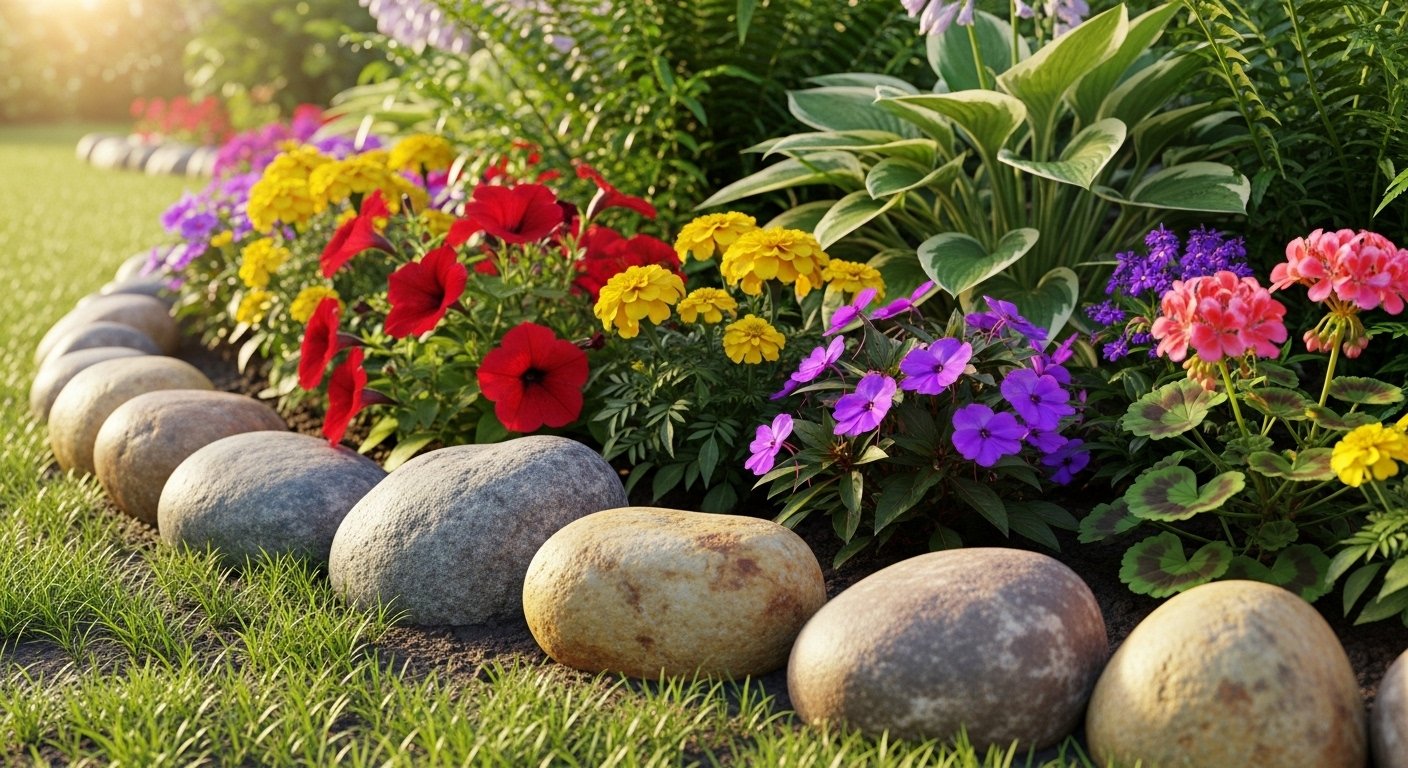
River Rock Bottom
Gorgeous rocks mixed at the base with plants on top – water percolates down effortlessly. I hunted for pretty river stones at a local creek (free!) and layered them 4 inches deep. Your beds will look pro and drain like a dream – no soggy surprises.
Gravel Plant Pockets
Rocks forming little drainage zones around plants – simple and effective. Excess water slips between them instead of pooling. Did this for my flowers last month; they perked up overnight after rain. You gotta try it – so forgiving for busy gardeners like us.
Triple Bed Gravel Layer
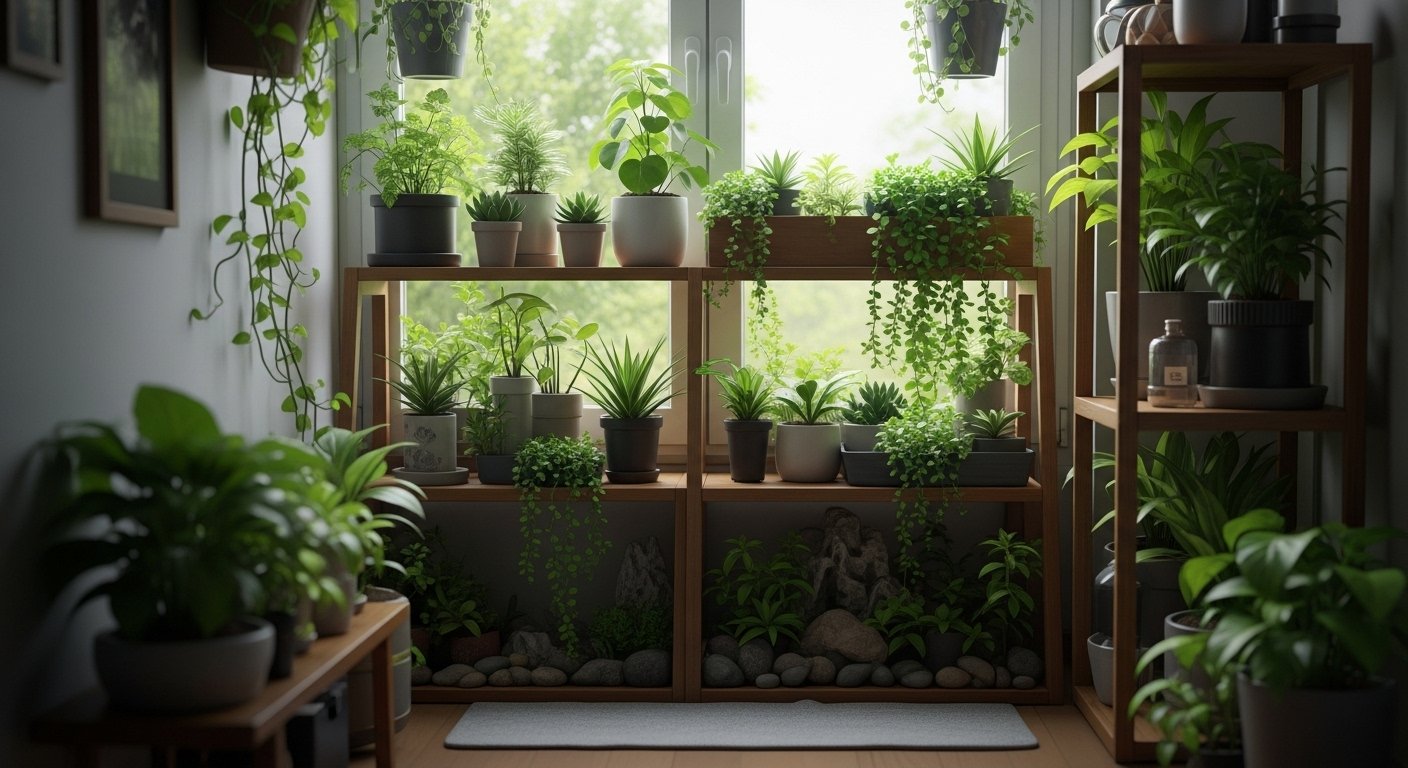
Three beds against a fence with rocks and dirt stacked right – ultimate drainage stack. The gravel bottom wicks moisture away fast, especially in clay-heavy yards. I copied this exactly for my veggies; one heavy downpour and everything was fine by morning. Obsessed.
Rock-Centered Patio Bed
Central rocks in an outdoor setup next to the house – channels water outward perfectly. Great for tight spaces where runoff matters. My patio garden used this hack after I drowned my basil once – lesson learned, and now it’s lush AF.
How to Actually Make This Work For You
Okay, real talk – start by digging out your bed spot and layering at least 4 inches of gravel or rocks at the bottom no matter what, because that’s your moisture escape route; I skipped it once and regretted every soggy tomato. Mix in some coarse sand or perlite to your soil up top for extra breathability – it fluffs everything up and lets roots grab oxygen between rains. Oh, and always slope the bed slightly toward the yard’s lowest point if you can, or add a simple French drain pipe along one side; I did that in my sloped yard and it saved me from mini lakes every storm. Test it with a hose first – if water pools longer than 10 minutes, tweak the layers till it drains fast. Pro tip from my fails: raised legs or feet under the bed keep it off pure clay soil, which is a drainage killer. You’ll see huge differences in plant health right away, promise.
Do raised garden beds need drainage holes?
Absolutely, or they’ll turn into swamps – drill them in the bottom if it’s solid wood, or just use open bottoms over gravel. I learned this the hard way with my first bed. Keeps roots from rotting out.
What’s the best gravel for drainage?
Go for 3/4-inch crushed rock or pea gravel – cheap at home stores and flows water like crazy. Layer it 3-6 inches deep. My go-to for every bed now.
How much gravel under raised beds?
Aim for 4-6 inches minimum to create that buffer zone – more if your soil’s heavy clay. I skimped once and paid for it. Fills up quick but worth it.
Can I use sand for drainage?
Sand works mixed into soil, but not alone – pair it with gravel for best results. Tried pure sand layer; it clogged fast. Combo is key, girl.
These drainage tricks have saved my garden sanity – from drowned herbs to bumper crops. Which one’s calling your name? Drop a comment if you’ve got a fave or a fail story; I’d love to hear. Happy planting!