
Hey girl, remember when I turned my tiny backyard into a veggie paradise with raised garden beds on a budget? I was staring at that sad patch of dirt, dreaming of fresh salads without breaking the bank. It felt impossible until I got clever with scraps and sales.
This post is my love letter to anyone with a small yard like mine – you know, the ones where every inch counts. Last summer, I built three beds for under $50 total, and they exploded with tomatoes and herbs. No fancy tools, just determination and some YouTube vibes.
Stick with me, and you’ll snag 20 cheap ideas that’ll have you harvesting your own goodies in no time. I’ve got the pins, the hacks, and my messy trial-and-error stories. Let’s make your yard jealous.
20 Budget Raised Garden Beds You’ll Wish You Built Yesterday
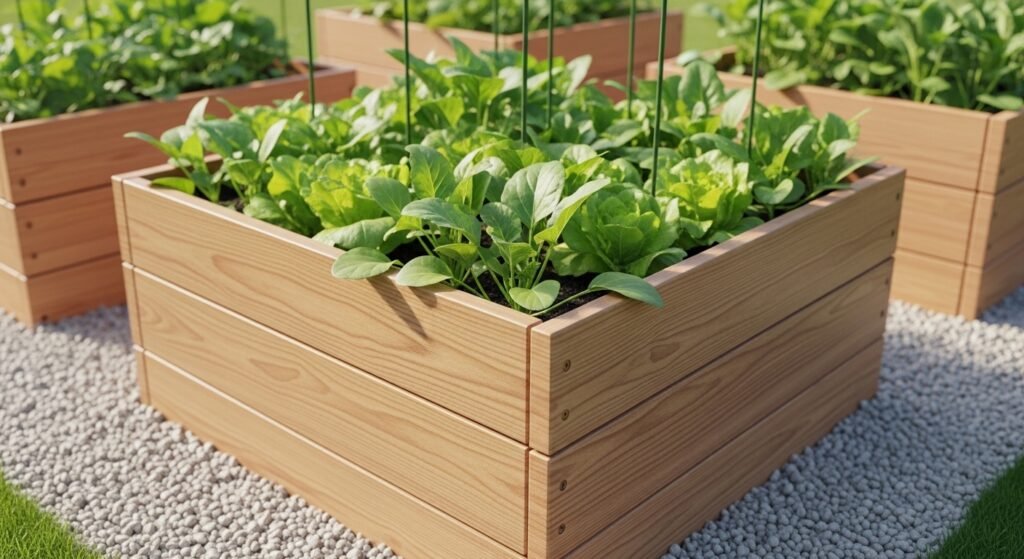
Stacked Wooden Planters
These stacked wooden beds are genius for small spaces – plants in the top and bottom levels mean double the harvest without extra footprint. I love how the gravel base keeps things tidy and drained. Totally did something similar with old fence boards; my basil went wild.
Unfinished Frame Hack
Grab an unfinished bed frame from the discount pile and plop it right in the dirt – instant raised bed on the super cheap. No painting needed if you’re going rustic. I snagged one for $10; filled it with soil, and boom, carrots galore.
Flower-Filled Wall Planter
This wooden planter hugging the house wall is perfect for flowers or herbs without stealing yard space. It’s got that cozy, lived-in charm. Planted mine with marigolds last spring; they bloomed like crazy and kept bugs away from my veggies.
Cinder Block Veggie Towers
Cinder blocks stacked in the grass? Budget gold for raised gardens – fill the holes with soil for bonus plants. So simple, even I could do it hungover. My neighbor copied this after seeing my strawberries spilling out; now we’re trading harvests.
Trellis Wood Planters
These wooden raised beds with built-in trellises scream vertical gardening smarts – climbers like beans love it. Gravel or mulch below keeps weeds at bay. I added one for peas; saved so much space, and the pods were the sweetest ever.
Simple Veggie Box
A basic wooden box overflowing with veggies – that’s your no-fuss entry to homegrown eats. Position it anywhere sunny. Built mine from pallet wood; pulled my first zucchini and ate it right there with salt. Obsessed.
Multi-Level Veggie Patch
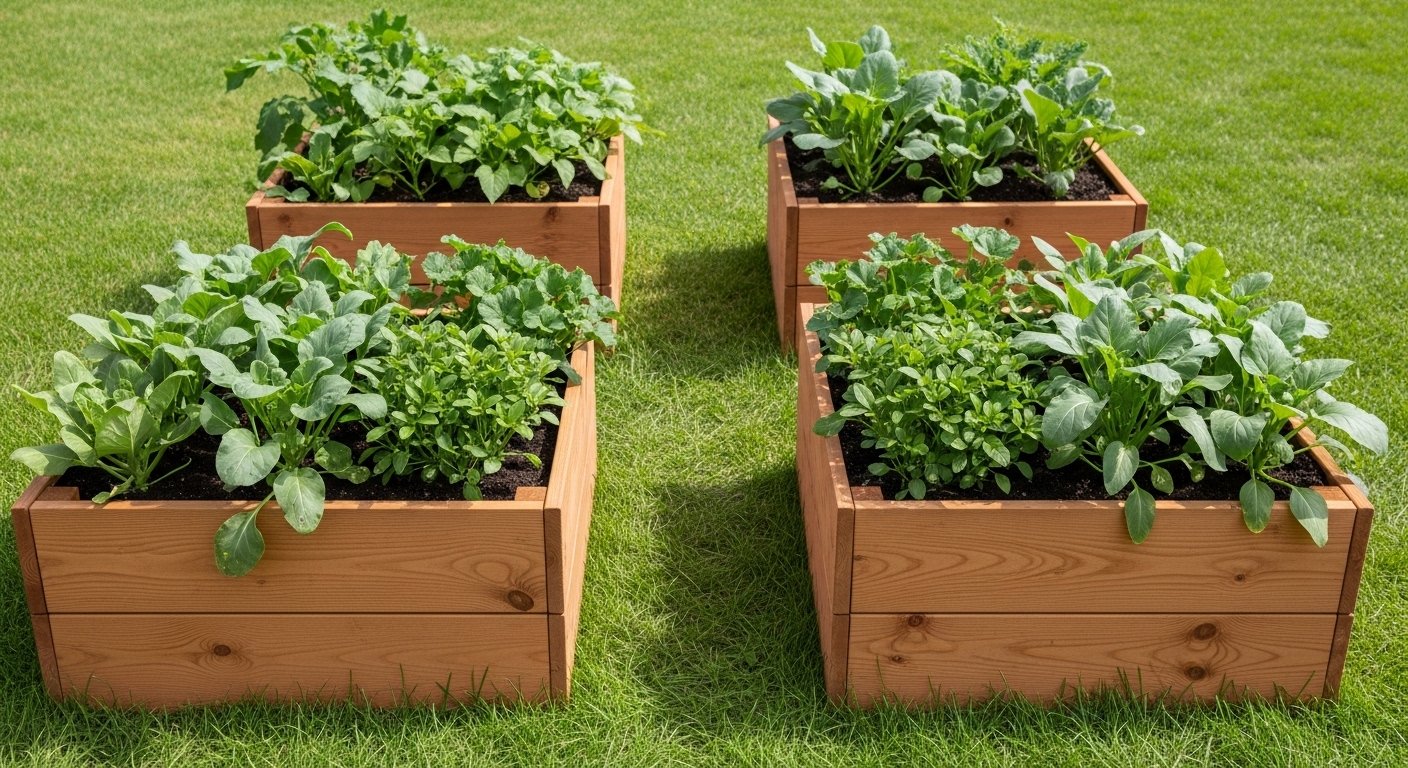
Multiple wooden planters in a row create this lush veggie haven – mix lettuce, peppers, whatever fits. Ground-level setup means easy access. I tried a mini version on my patio; fresh salads all summer, zero grocery bill hit.
Diverse Plant Box Garden
One big box packed with a rainbow of plants – talk about variety on a dime. Perfect for experimenting. My first attempt had kale, radishes, and flowers; some bolted too fast, lesson learned, but most thrived.
Strawberry-Focused Planter
Wooden planter dedicated to strawberries – juicy berries at eye level, no bending. They’re trailing everywhere in the best way. Planted a dozen starts; by June, I had jam for days. You gotta try this.
Gravel-Topped Plant Box
A wooden box on gravel base drains like a dream, keeping roots happy. Simple, sturdy, cheap. I mulched mine with free wood chips; weeds haven’t stood a chance since.
Flower-Packed Planter Rows
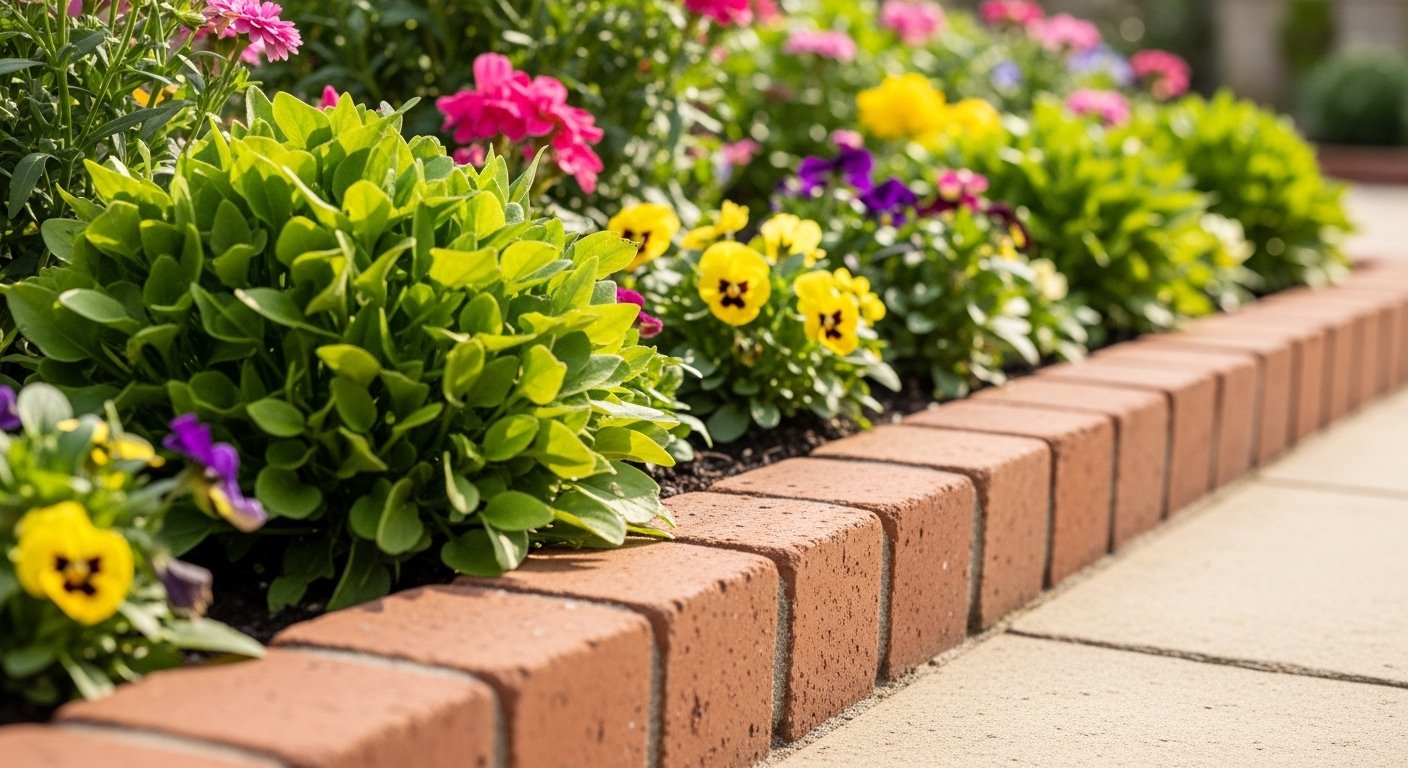
Rows of planter boxes bursting with flowers and edibles – instant cottage garden vibes. Mix pollinator plants in. Did this along my fence; butterflies showed up, and my tomatoes thanked me.
Yard-Center Wood Box
Big wooden box smack in the yard, surrounded by scrap boards – focal point magic. Expands easy too. My version started small; now it’s the heart of every backyard BBQ.
Classic Plant Garden Box
This straightforward wooden box grows anything you throw at it – reliability on budget. Stain optional for weatherproofing. I skipped the stain first time; learned quick, but plants didn’t care.
Abundant Veggie Central
Garden hub with veggies spilling from raised beds – pure abundance. Central spot maximizes sun. Turned my side yard into this; family fights over the cherry tomatoes now. Ha.
Twin Grass Planters
Two wooden planters side by side on grass – symmetry without effort. Great for crop rotation. Mine have herbs in one, greens in the other; picking dinner feels fancy every night.
Tree-Shaded Flower Boxes
Wooden boxes under trees loaded with flowers – shaded budget bliss. Choose shade-lovers like impatiens. I tucked these by my oak; surprised how well the hostas filled in.
Ground-Level Veggie Boxes
Scattered wooden boxes full of veggies – flexible layout for any yard. No digging required. Started with two; now I’ve got six, all from free Craigslist wood. Winning.
Fence-Side Strawberry Spill
Strawberries tumbling over a fence from pots and beds – whimsical and productive. Vertical savings galore. My fence run produced buckets; shared with neighbors, instant friends.
Metal-Wood Raised Bed
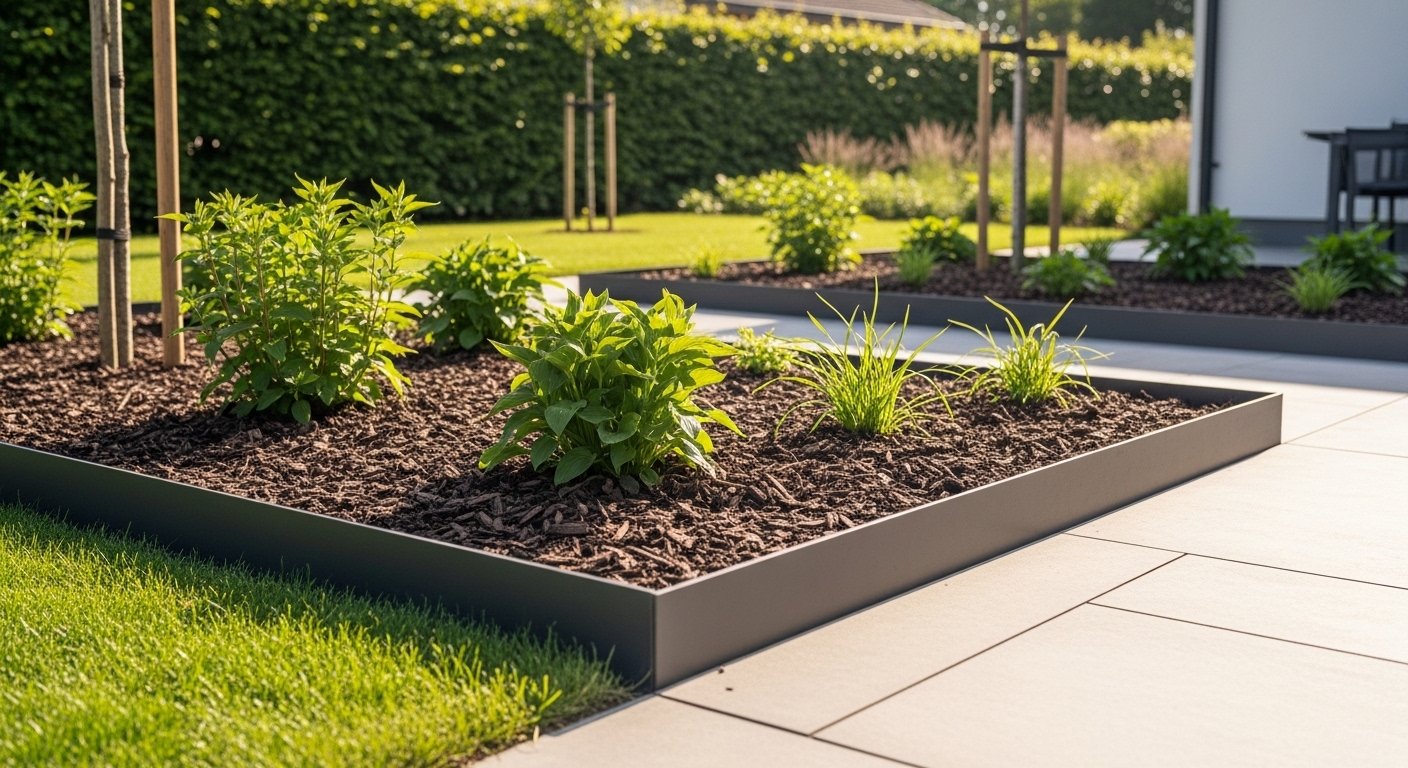
Mix metal sheets and wood planks for a modern raised bed twist – durable on the cheap. Rustic-industrial cute. Scavenged corrugated tin; my lettuce loves the heat retention.
Rock-Wall Garden Edge
Rocks and grass by a brick wall mimic raised beds naturally – zero wood needed sometimes. Low-maintenance beauty. Edged my patio this way with river rocks; weeds gone, curb appeal up.
How to Actually Make This Work For You
Okay, real talk – start by scouting free or cheap materials like pallets, cinder blocks, or leftover lumber from friends’ renos; I scored half my beds that way and it saved me hundreds. Measure your space twice, sketch a quick layout on paper (or your phone notes), and think vertical with trellises if square footage is tight – that pea trellis I mentioned? Doubled my yield without extra dirt. Layer cardboard at the bottom for weed block, fill with a mix of topsoil and compost (bulk from garden centers is cheapest), and water deeply but infrequently to build strong roots. Oh, and pick easy starters like lettuce or radishes your first go – builds confidence before tackling tomatoes. You’ll be harvesting in weeks, promise.
What’s the cheapest material for raised beds?
Untreated pine boards or free pallets top the list – super affordable and food-safe if you line with landscape fabric. I used pine for years; just refresh every couple seasons.
How deep should budget raised beds be?
Aim for 12-18 inches for most veggies – deep enough for roots without wasting soil. Shallower works for herbs or strawberries if you’re pinching pennies.
Can I do this in a super small yard?
Totally, go vertical or stack like those cinder blocks – my 10×10 space feeds four of us. Focus on high-yield crops and you’ll thrive.
Do raised beds save money long-term?
Yes, after year one – homegrown beats store prices, plus better flavor and health perks. My $40 investment paid off in one season’s produce.