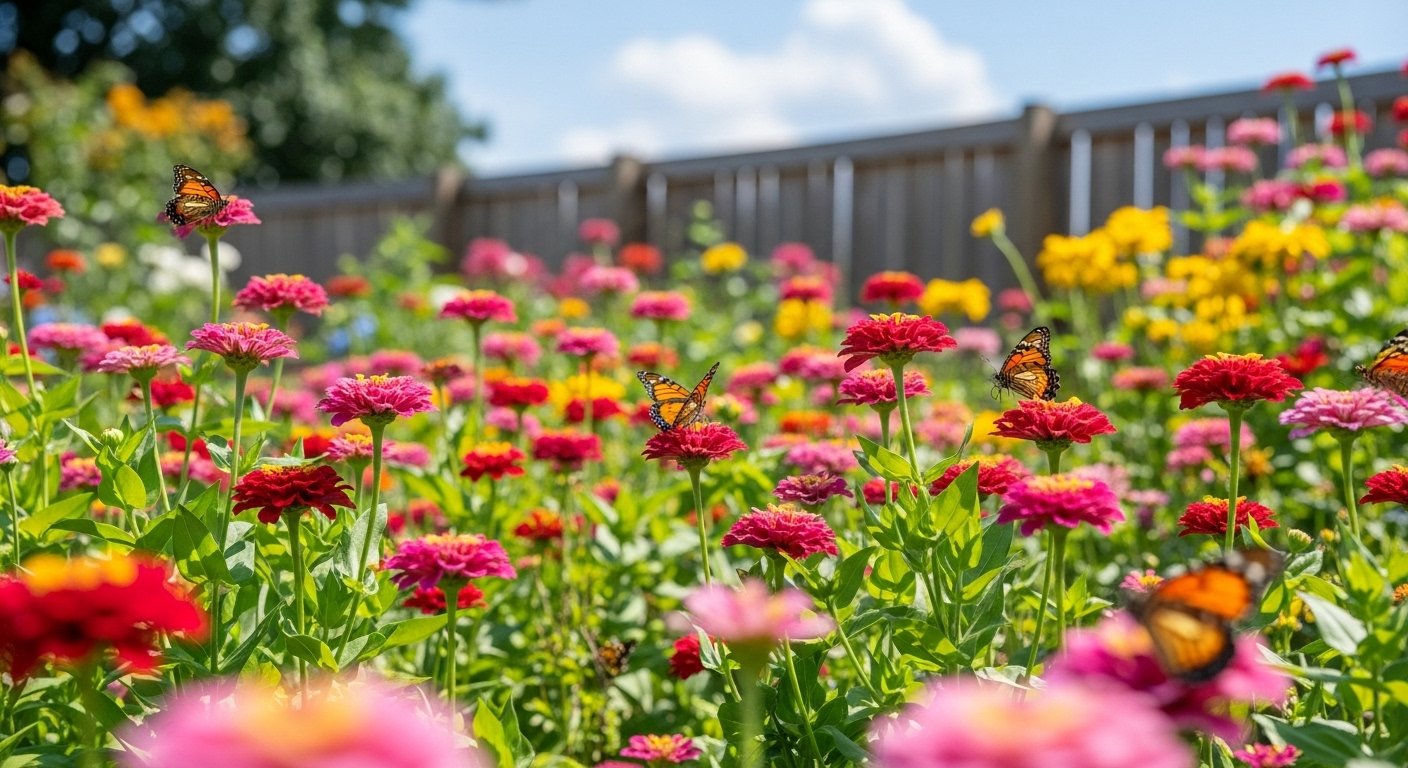
Hey girl, have you ever stepped out into your yard and wished it felt alive with butterflies and bees instead of just plain grass? Pollinator garden design totally changed that for me – last summer I turned my boring backyard patch into a buzzing paradise, and now it’s my favorite spot to sip coffee. It’s like inviting nature’s little artists to paint your space with color and life.
I put this together because I geeked out over Pinterest scrolling for hours, pinning all these dreamy setups that actually work for small yards like mine. Tried a few myself after my first failed attempt with random plants – learned the hard way about bloom times! Now I’m sharing the good stuff so you don’t have to guess.
Stick with me through these 12 top pollinator garden design layouts, and you’ll snag ideas that fit any space, plus tips to make ’em thrive. You’ll be that neighbor with the fairy-tale garden in no time.
12 Pollinator Garden Designs That’ll Have Bees Lining Up
Colorful Flower Explosion
Oh man, this one’s a riot of pinks, purples, and yellows – perfect for drawing in every butterfly in the neighborhood. I planted something similar along my side yard, and within weeks, it was humming with activity. You can totally recreate this vibe even in a tiny corner; just layer heights for that full, lush look.
Butterfly Flower Perch
Look at that butterfly chilling like it owns the place! This setup screams easy pollinator magnet with those clustered blooms. Makes me smile remembering the first monarch that landed in my garden – pure magic.
Lavender and Wild Blooms
Lavender’s the star here, mixed with all that greenery for a soft, fragrant edge. I added some to my front bed last year, and the bees went nuts – plus, it smells amazing when you brush past. Super low-maintenance once established, promise.
Vibrant Flower Clusters
This garden’s got that wild, joyful energy with flowers popping everywhere. Imagine sipping wine out there while pollinators dance around. Tried clustering like this in my backyard – total game-changer for curb appeal.
Fence-Line Flower Border
Wooden fence backdrop makes these colors pop so hard. Great for narrow spaces along property lines – I did this exact thing and it hides the fence while feeding bees. You gotta love how it softens the whole yard feel.
Side note: mine got a little overgrown by fall, but that’s the charm, right?
Bird Feeder Flower Patch
Tree, bird feeder, and flower overload – it’s like a mini wildlife haven. I hung a feeder in my similar setup, and now birds and bugs coexist happily. Perfect if you want feathered friends too.
Brick Wall Bloom Haven
Those brick walls ground the flowers so beautifully, creating this cozy nook vibe. Planted against my shed wall like this, and it instantly felt like a secret garden. Bees love the shelter – you’ll see.
Sky-High Flower Border
Bird in flight over a white building and flower madness? Swoon. This layout’s airy and open, ideal for sunny spots. I mimicked it near my patio – now morning coffee comes with a show.
Fun fact: that flying bird was the inspo for adding height to mine.
Wildflower Walkway Edge
Wooden path lined with wildflowers – talk about romantic strolls! I edged my gravel walk this way, and it transformed boring access into a pollinator highway. Low effort, high reward.
Fence-Side Wild Garden
Another fence winner, but with that untamed wildflower spill-over. You can feel the buzz just looking. Mine started small but snowballed into the best part of my yard – highly recommend starting here if you’re new.
Color-Packed Flower Bed
Pure color therapy in garden form. This one’s versatile for any size plot. I went heavy on coneflowers after seeing this, and butterflies thank me daily.
Oh, and pro tip from trial-and-error: deadhead to keep ’em blooming longer.
Birdhouse Pollinator Paradise
Birdhouses amid the bloom frenzy – genius multi-tasker! Set this up in my side yard, and it attracts everything from wrens to wasps (the good kind). Your garden will feel like a full ecosystem.
How to Actually Make This Work For You
Okay, real talk – start by picking plants that bloom at different times so your pollinator garden design keeps buzzing all season, like mixing early-spring crocuses with summer bee balm and fall asters. Layer ’em in heights too: tall stuff in back, medium in middle, ground covers up front for that pro look without much fuss. I learned to go native whenever possible – they’re tougher, cheaper, and bees prefer ’em anyway; check your local extension site for lists. Oh, and water deeply but infrequently to build strong roots, especially in the first year. Skip pesticides completely – even the “safe” ones can mess with the good bugs. Mulch lightly to keep weeds down, but leave some bare soil for ground-nesters. Trust me, once you get that first monarch visit, you’ll be hooked forever.
What plants are best for pollinator garden design?
Go for natives like black-eyed Susans, milkweed, salvia, and phlox – they’re bee and butterfly magnets. I stick to perennials mostly since they come back stronger each year. Mix in some herbs like lavender or borage for extra fragrance and variety.
How much sun does a pollinator garden need?
Most love full sun, 6+ hours a day, but you can find shade-tolerant options like astilbe. My shady corner got impatiens and it worked great. Test your spot first with a sun tracker app.
Can I do pollinator garden design in a small yard?
Absolutely – containers or a 4×4 bed is plenty! I started with pots on my balcony and scaled up. Focus on clusters of the same plant for better attraction.
When should I plant for pollinators?
Spring after frost or fall for perennials – gives roots time to settle. I plant in waves now to stagger blooms. Avoid summer heat if possible.
Leave a Reply