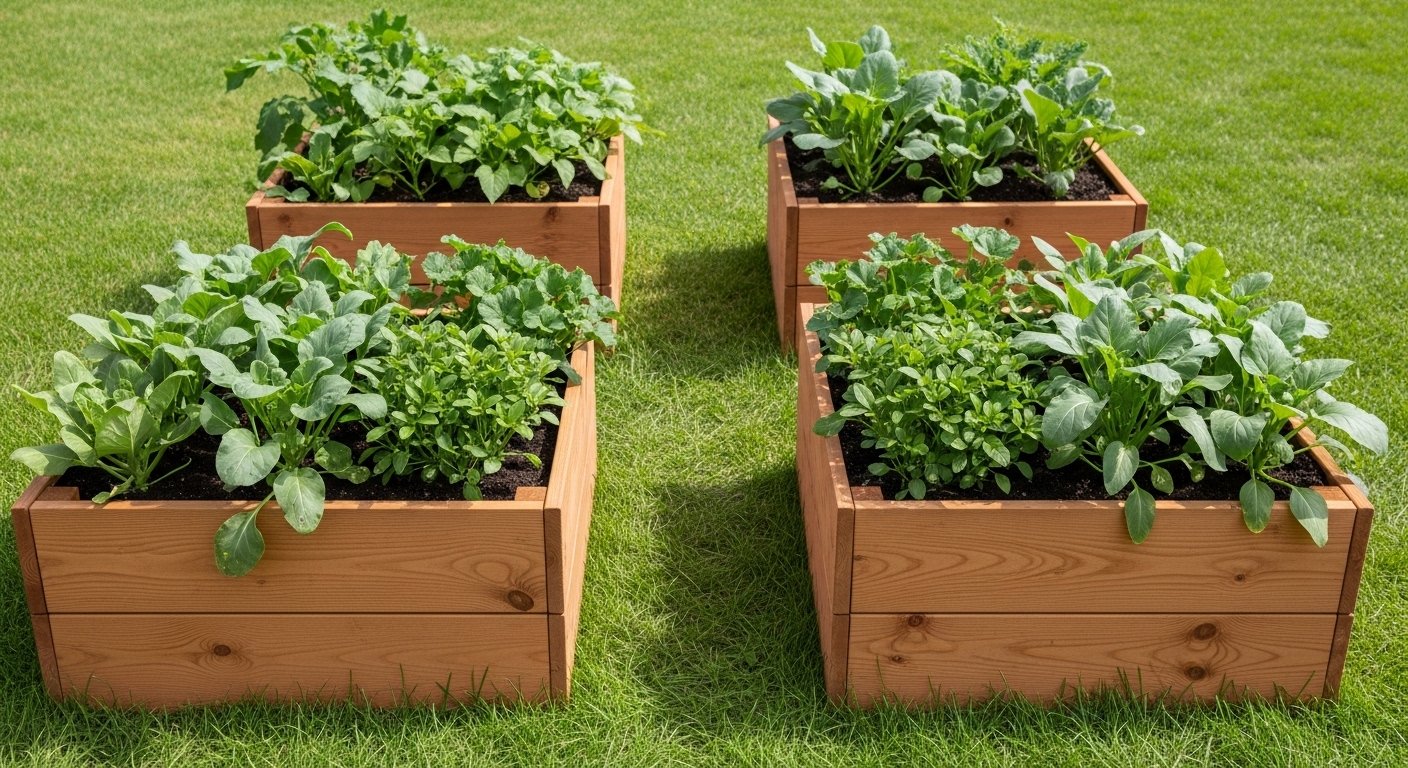
Hey girl, remember when I turned that boring patch of dirt in my backyard into a veggie paradise with some simple planter boxes diy raised? I was obsessed – fresh tomatoes right outside my kitchen door, no more sad store-bought ones. It felt like magic, and now I want you to have that too.
This roundup is my love letter to anyone dreaming of homegrown salads without the hassle. Last summer, I built my first one from scrap wood – total newbie fail at first, but then boom, salads for days. I’ve gathered the best inspo so you skip my mistakes.
Stick with me through these 10 top picks, and you’ll snag easy DIY ideas perfect for veggies. You’ll walk away ready to grab your hammer and get growing – promise it’s beginner-friendly fun.
10 Drool-Worthy DIY Raised Planter Boxes for Veggies
Metal-Wood Raised Bed
Okay, this metal and wood combo screams modern rustic – those corrugated sheets paired with planks make it sturdy for heavy soil loads. I love how it elevates your veggies off the ground, keeping pests away. Built one like this for my herbs last year; the drainage was perfection, no soggy roots ever.
Lush Planted Garden Bed
Look at those greens thriving – simple raised frame, maximum yield. Perfect for carrots or lettuce in tight spaces. You could whip this up in a weekend with basic lumber.
Wallside Wooden Planter
Tucked against a white wall with grass peeking out, this one’s all about clean lines and easy access. Fill it with dirt and you’re set for beans or peppers. I did something similar by my patio – harvested so many cukes, my neighbors were jealous.
Triple Flower House Planters
Three stacked wooden beauties lining the house side – swap flowers for tomatoes, and it’s veggie heaven. The height variation makes harvesting a breeze, no bending over. Oh, and side note: mine wobbled at first ’til I added corner braces – lesson learned.
Chain-Hung Wood Planters
Hanging from chains? Genius for small patios – swings gently, plants love it. Strawberries or trailing greens would kill here. I hung a mini version for my balcony herbs; they grew like crazy with all that air flow.
Boat-Shaped Grass Planter
This empty wooden boat in the grass is begging for soil and seeds – upcycle vibes on point. Imagine radishes peeking out the sides. Repurposed it once for a friend’s yard; we laughed the whole build, but it lasted years.
Double Grass Garden Beds
Two simple raised beds chilling in the grass – companion planting heaven for squash and zucchini. Keeps everything organized, weeds at bay. My first duo like this gave me enough produce for freezer jams all winter – total game-changer.
Fence-Line Wood Planters
Snuggled by the fence, these wooden ones maximize every inch. Great for peas climbing up the slats. You know that time I squeezed one between my shed and fence? Best kale ever, even in shade.
Deck-Top Veggie Planters
On a deck next to bushes, these scream low-maintenance luxury. Peppers or eggplant would pop here with that view. Built mine during quarantine – sipped wine while planting, felt like a pro gardener.
Bountiful Outdoor Plant Patch
This lush outdoor setup with multiple plants is the full veggie dream – raised for easy tending. Mix in herbs for that fresh salad bowl. I expanded my plot to match; now dinner’s always garden-fresh, and yeah, I brag a little.
How to Actually Make This Work For You
Start by picking a sunny spot in your yard – at least 6 hours of light for those tomatoes to thrive, trust me, I learned the hard way with my shady corner flop. Use untreated cedar or redwood for the frames since it resists rot, and line the bottom with hardware cloth to keep critters out; I skipped that once and lost half my carrots to gophers. Fill with a mix of topsoil, compost, and perlite for killer drainage – aim for 12-18 inches deep so roots go deep. Oh, and water deeply but infrequently; it builds stronger plants. Space them 2-3 feet apart for wheelbarrow access, and rotate crops yearly to dodge soil diseases. Add trellises for climbers right from the start – my peas thanked me big time.
What’s the cheapest wood for DIY raised planters?
Go for pressure-treated pine if you’re on a budget – it’s affordable and holds up okay for a few seasons. I used it for my first build and it worked fine, just seal it well. Avoid anything super fancy unless you’re going permanent.
How deep should raised planter boxes be for veggies?
12 to 18 inches is your sweet spot for most roots like carrots or potatoes. Shallower works for lettuce, but deeper means better yields. My 16-inch ones are perfect – no digging into hard ground.
Can I make raised planters without power tools?
Totally, girl – hand saw, drill, and screws do the trick for basic rectangles. I built one with just those during a power outage; took longer but so satisfying. Pre-cut lumber from the store saves sanity.
Best soil mix for veggie raised beds?
Mix one-third topsoil, one-third compost, one-third peat or coconut coir – drains like a dream. I tweak mine with worm castings for extra oomph. Refresh annually to keep it nutrient-rich.
These ideas have me itching to build another one – which one’s calling your name? Drop a comment if you’ve tried any, or tag me in your builds. Happy planting, babe!
Leave a Reply